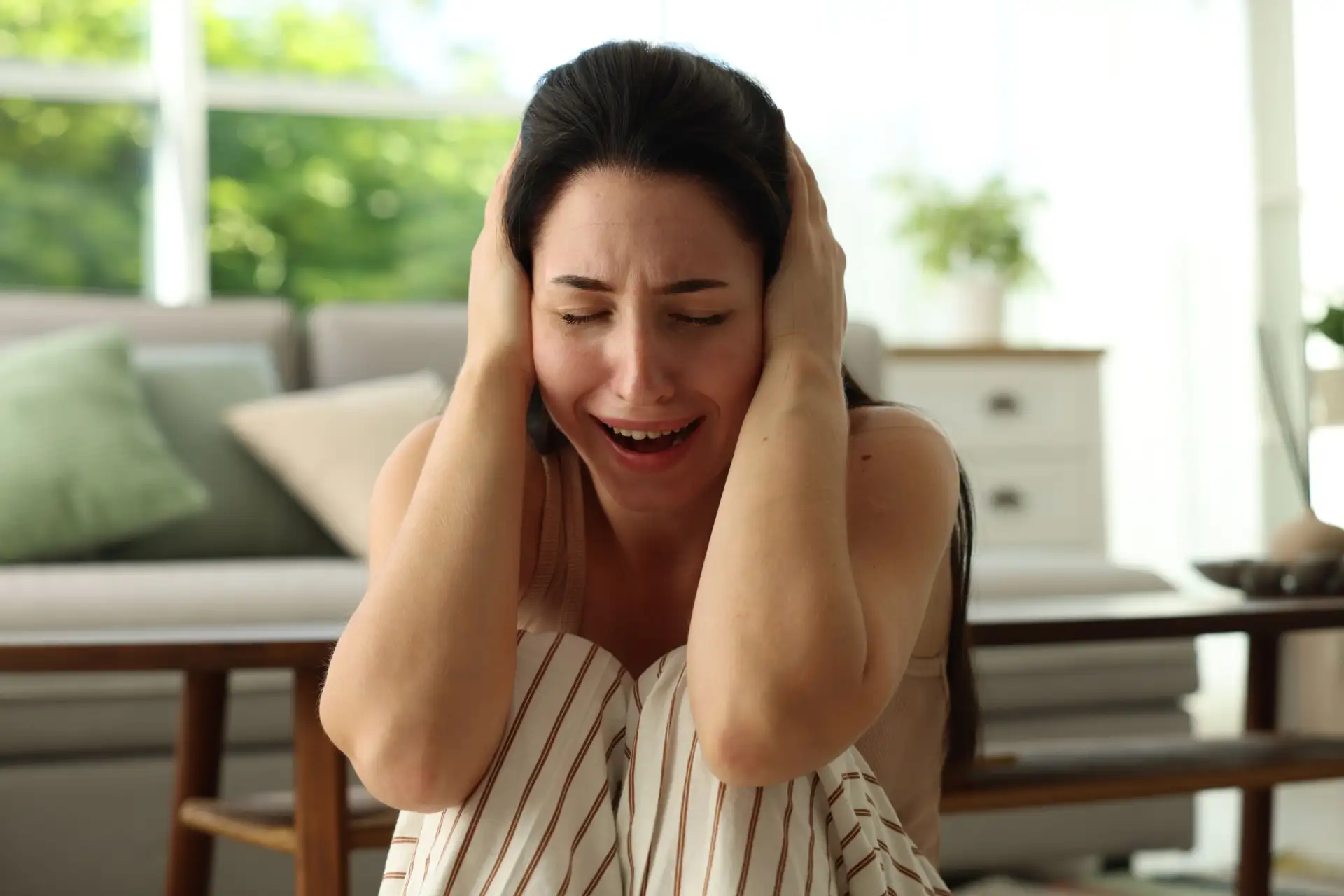
Individuals struggling with panic disorder, have frequent, and unexpected panic attacks characterized by a sudden wave of fear or a sense of losing control. It’s important to note that not everyone who experiences a panic attack goes on to develop panic disorder. Research has described panic attacks like “false alarms”, wherein our body’s survival instincts are active too often and/or uncontrollably.

Signs and Symptoms of Panic Disorder


  • Rapid heartbeat

  • Chest pain or tightness

  • Sudden spikes of intense fear

  • Sweating or chills

  • Trembling or shaking

  • Persistent worry about future panic attacks

  • Nausea or stomach distress

  • Tingling or numbness (hands, face)

  • Hot flashes or cold sensations

  • Dizziness, lightheadedness, or faintness

  • Hypervigilance to bodily sensations

  • Shortness of breath or feeling smothered

Section Image

Understanding Causes of Panic Disorder

Several factors contribute to the onset of panic disorder in individuals. Often, hormonal changes related to biological fluctuations and life stages can trigger anxiety symptoms. Moreover, genetic predisposition plays a significant role, as individuals with a family history of anxiety disorders are at heightened risk. Environmental stressors, including traumatic life events and chronic stress, can exacerbate symptoms. It's crucial to address these underlying causes through a comprehensive approach, integrating lifestyle modifications, dietary adjustments, and therapeutic techniques for improved mental health.

FAQs

Frequently Asked Questions

Natural treatments for panic disorder may include herbal supplements like chamomile and valerian, alongside lifestyle modifications such as regular exercise and mindfulness practices. Nutritional counseling may also play a key role in managing symptoms.

The duration of treatment varies based on the individual’s symptoms and response to therapy. Regular follow-ups help assess progress and adjust therapies, aiming for improvement typically within weeks to months.

Most natural treatments have minimal risks when administered under professional guidance. However, it's essential to remain transparent about any pre-existing conditions and medications to ensure safety.