Nutritional Medicine is grounded in the idea that nutrients, including essential micronutrients, are crucial for the proper functioning of the biochemical processes our bodies and brains rely on. When addressing symptoms or diseases, the focus is on identifying underlying causes, which, while often partly genetic, are typically closely linked to nutritional and environmental factors. Evidence supports positive effects of “food is medicine” on diet quality, glucose control, hypertension, body weight, and self-perceived physical and mental health.
My appointment list is waiting for you.
Book a Free Discovery call

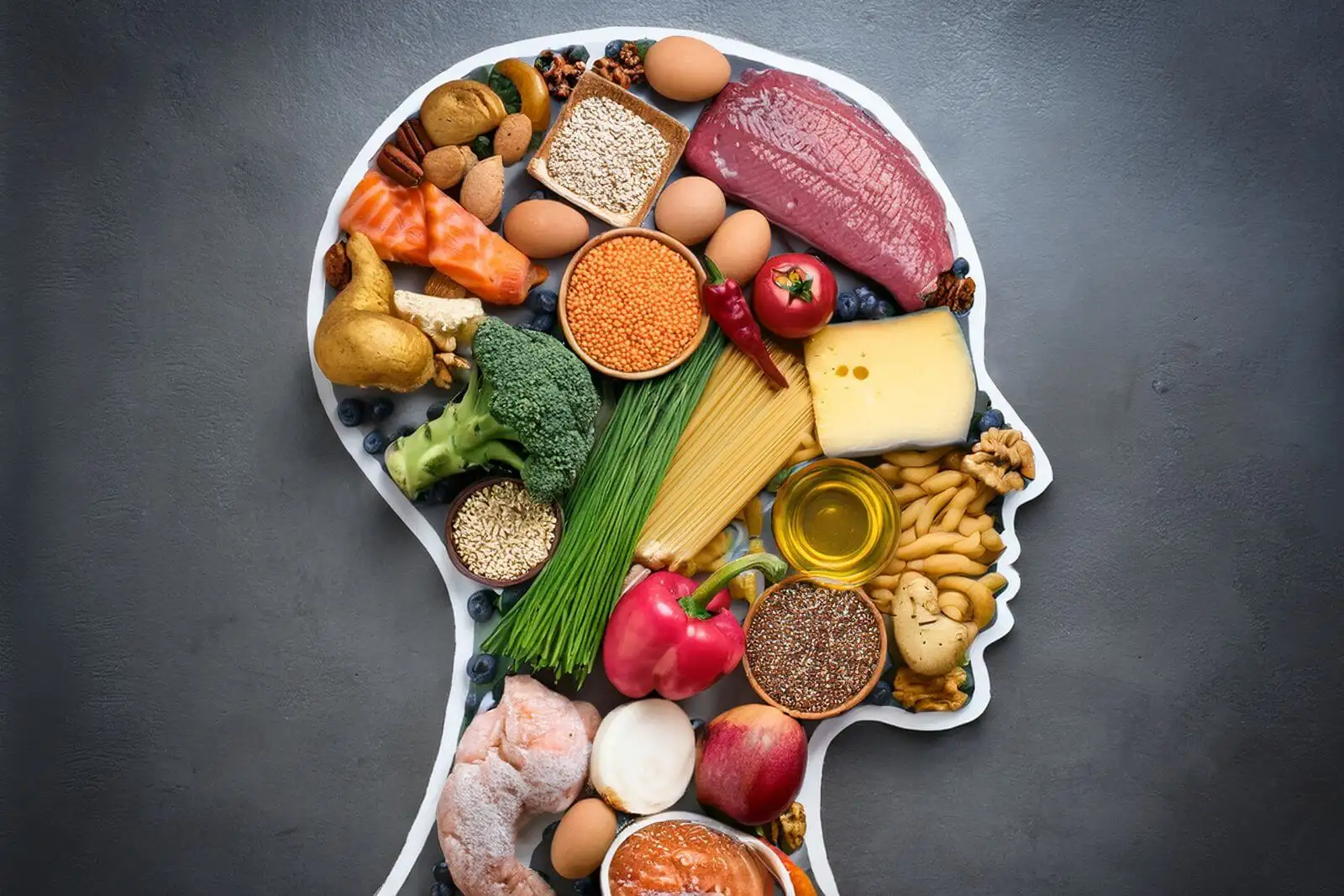
Nutritional Psychiatry
While the factors influencing mental health are complex, growing and compelling evidence points to nutrition as a key factor in the high prevalence and incidence of mental disorders. This suggests that diet is just as important to psychiatry as it is to fields like cardiology, endocrinology, and gastroenterology. Research continues to expand on the connection between dietary quality, nutritional deficiencies, and mental health, as well as the targeted use of nutrient-based supplements to address deficiencies and/or adjunct therapies.
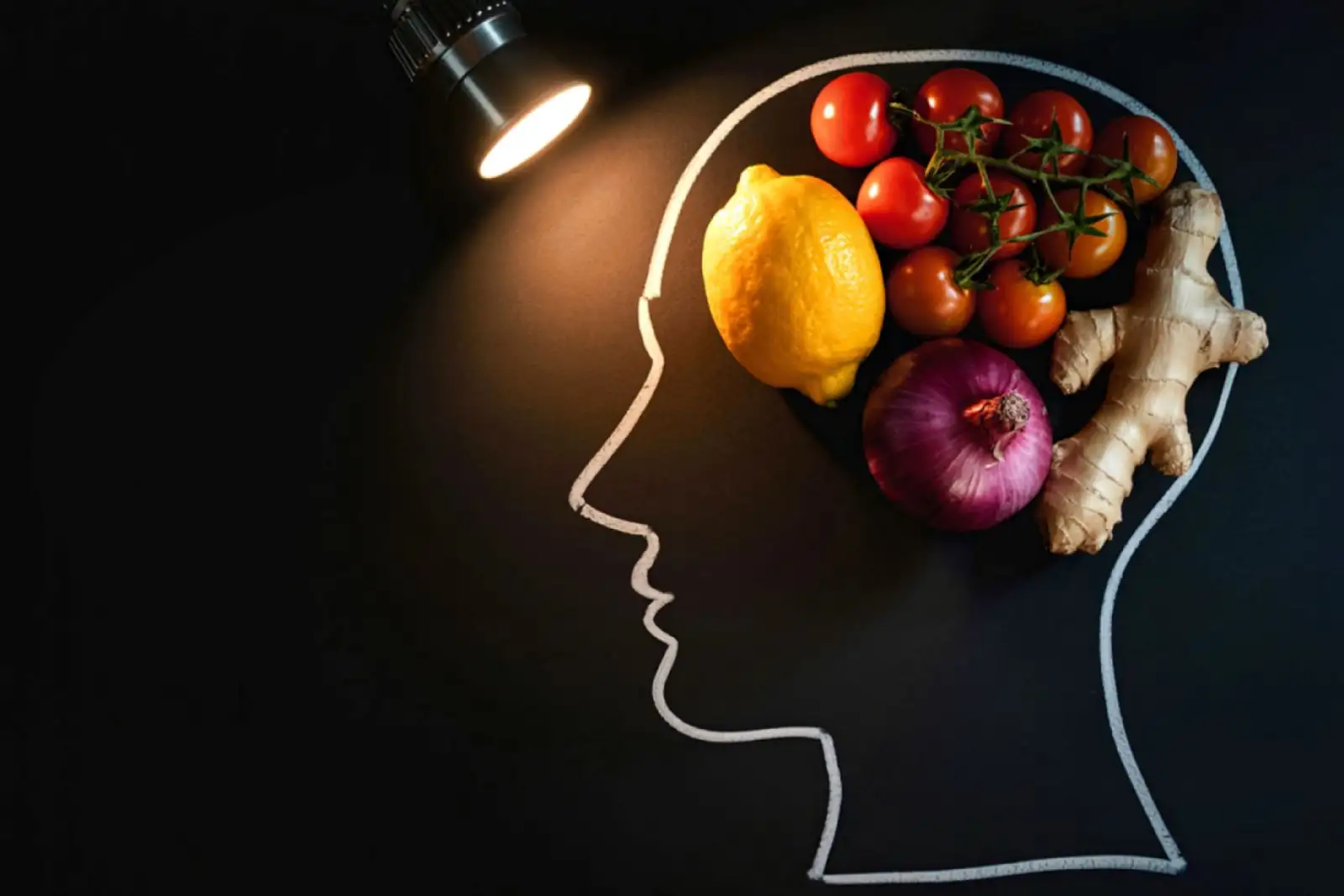
Your Brain On Food:
Consider this: your brain is always “on.” It controls your thoughts, movements, breathing, heartbeat, and senses, working non-stop, even while you sleep. This means your brain needs a steady supply of fuel, and that “fuel” comes from the foods you eat. What’s in that fuel makes all the difference. In short, what you eat directly impacts the structure and function of your brain, and ultimately, your mood.
Much like an expensive car, your brain performs best when it receives premium fuel. High-quality foods rich in vitamins, minerals, and antioxidants nourish the brain and protect it from oxidative stress — the harmful byproducts (free radicals) produced when the body uses oxygen, which can damage cells.

Brain-Boosting Nutrition
Unfortunately, just like a high-end car, your brain can suffer if it gets anything less than premium fuel. If substances from “low-premium” sources, like processed or refined foods, reach the brain, it has little capacity to remove them. Diets high in refined sugars and carbohydrates, for example, are particularly damaging. They not only worsen your body’s ability to regulate insulin but also increase inflammation and oxidative stress. Numerous studies have linked high refined sugar, refined carbohydrates, and consumption of ultra processed foods to disordered brain metabolism, a worsening of mood disorders like depression and anxiety, and poor metabolic health.

The Science Of Ketosis
Ketones, which are produced when the body shifts from using glucose to fat as its primary energy source, have demonstrated neuroprotective effects. Ketones help optimize mitochondrial function, reduce oxidative stress, and balance neurotransmitter activity, all of which are crucial for maintaining mental health.
The ketogenic diet has been shown to reduce inflammation and oxidative stress, regulate the gut microbiota, and improve metabolic health markers. These changes have emerged as potential therapeutic targets in the treatment of serious mental illnesses such as bipolar disorder, major depressive disorder, and schizophrenia.